About Limit Less Solar

Limitless Solar was founded in 2017 to accelerate solar adoption in India.

We're now the most trusted solar EPC contractor in the Uttar Pradesh, having served 1,000+ homes and 100+ C&I projects. Our services include:

  • The installation of hybrid rooftop solar systems for homes and housing societies
  • After-installation maintenance and after-sales care
  • Varied EMI options for our customers
  • Using prefabricated mounting structures for the installation of solar panels

We work closely with our customers and build a legacy that lasts for as long as your solar system (at least 25 years).

Overview of Hybrid Solar Systems

A Hybrid Solar System is a combination of on-grid and off-grid solar systems. It connects to the grid and also includes a battery backup to store excess power.

This means your home can:

  1. Use solar energy during the day
  2. Store excess electricity in batteries
  3. Export extra units to the grid (if connected under net-metering)
  4. Use battery power during the night or power cuts
  5. Enjoy uninterrupted electricity with the benefits of both grid connectivity and battery storage

When it comes to categorization, a hybrid solar power system installed for smaller applications like an individual home usually comes in different capacities: 2 kW, 3 kW, 5 kW, 10 kW, and above.

An average Indian household with a monthly electricity bill of ?1500 to ?3000 typically requires a 2 to 3 kW hybrid solar system.

Government Subsidy on Hybrid Solar Systems

Since hybrid systems also come under the government subsidy scheme (if installed with DCR panels), households can benefit as follows:

For consumption of 0–150 units/month, a subsidy of ?30,000 to ?60,000 is available for 1–2 kW hybrid systems.

For consumption of 150–300 units/month, a subsidy of ?60,000 to ?78,000 is available for 2–3 kW systems.

For consumption of over 300 units/month, households are eligible for a subsidy of ?78,000 for systems above 3 kW.

How a Hybrid Solar System Works

Solar panels absorb sunlight and convert it into direct current (DC)

The DC current goes into the hybrid inverter that converts it into alternating current (AC)

The hybrid inverter supplies AC power to your home and simultaneously charges the battery bank

Excess electricity can be exported to the grid through a bi-directional meter

During power cuts or at night, stored battery power is used to run household appliances

Components of a Residential Hybrid Solar System

#1. Solar Panels

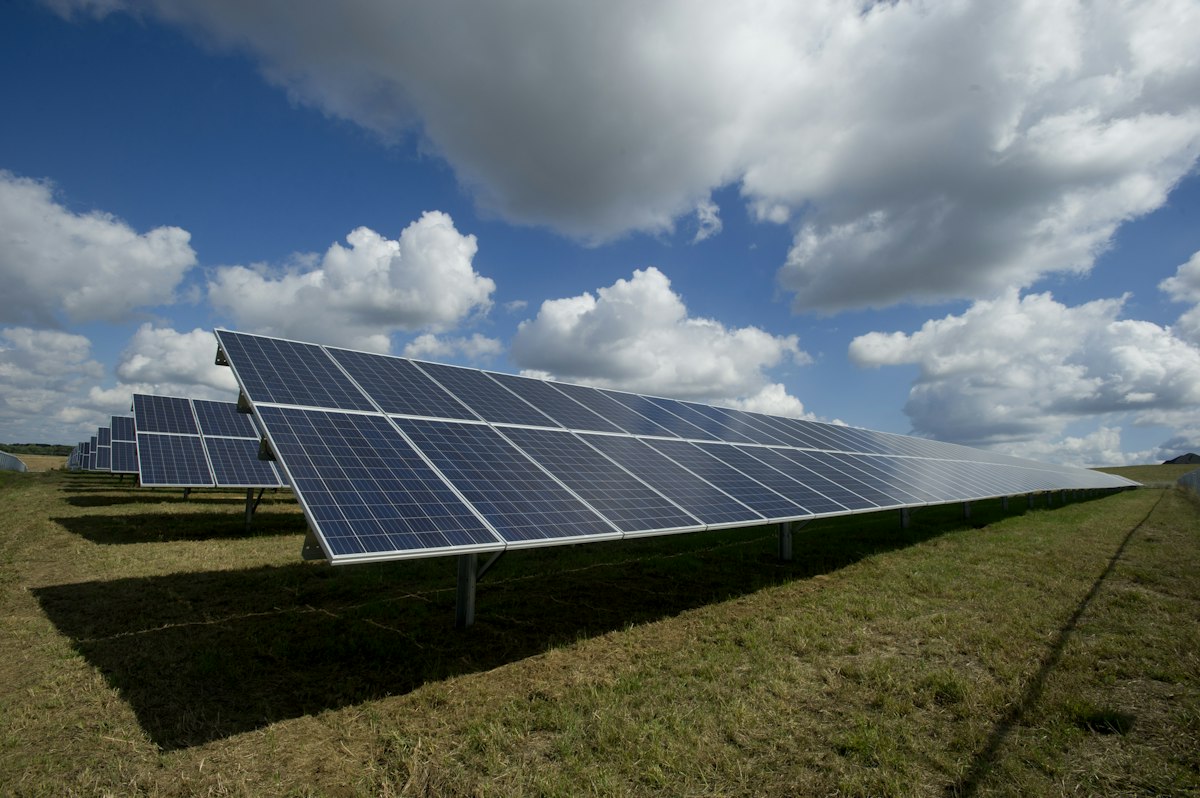
Solar panels are installed on rooftops to capture sunlight and convert it into DC electricity. These panels are the primary source of energy for your hybrid system.

#2. Hybrid Inverter

The hybrid inverter is the heart of the system. It not only converts DC into usable AC power but also manages battery charging, discharging, and grid export/import seamlessly.

#3. Battery Bank

Unlike on-grid systems, hybrid systems include a battery bank (lithium-ion or lead-acid) to store excess electricity. These batteries ensure uninterrupted power supply during outages.

#4. Solar Mounting Structures

Strong prefabricated and hot-dip galvanized steel structures are used to mount solar panels. They are designed to last 25+ years and withstand harsh weather conditions like storms and cyclones.

#5. Solar Accessories

This includes DC and AC cables, MC4 connectors, DC combiner box, AC combiner box, and earthing equipment. These ensure safety and efficiency of the hybrid solar system.

#6. Bi-directional Meter

When connected under net metering, a bi-directional meter tracks both the electricity exported to the grid and the electricity imported from it, helping reduce monthly bills.

Please note: all the DC cable connections are made using MC4 connectors.

#5. Bi-directional Meter

This is a smart tracking meter that is designed to record both:

  1. Electricity supplied to the grid
  2. Electricity imported from the grid

In hybrid systems, the bi-directional meter works together with the hybrid inverter to balance between solar power, stored battery energy, and grid supply.

Net Metering in Hybrid Solar Systems

The hybrid solar system also operates on the principle of net metering when connected to the grid.

Net metering ensures that your discom keeps track of how much power was generated by your solar plant, consumed by your home, exported to the grid, and imported from it when required.

At the end of every billing cycle, the readings from the bi-directional meter give an account of:

  1. How many units were supplied to the grid
  2. How many units were taken from the grid

If you exported more than you imported, those units are adjusted against your bill, lowering your monthly cost.

If your household required additional units from the grid beyond what your solar + battery generated, those units would be added to your bill.

Top 8 Benefits of Using a Hybrid Solar System

A solar system is of 3 types: on-grid, off-grid, and hybrid.

Although all three types have their merits, hybrid solar systems are now preferred by homeowners in India due to their balance of reliability, independence, and savings.

Here are the key benefits of hybrid solar systems for homes:

  1. They provide electricity during the day and uninterrupted backup power during the night or power cuts
  2. They allow you to track how many units your system generated, consumed, stored, and exported
  3. Once the hybrid solar system’s price breaks even in 4 to 6 years, you enjoy free solar electricity for the next 20+ years
  4. The monthly electricity bill reduces substantially due to both solar generation and net metering
  5. Battery backup ensures that your home never goes dark, even during extended outages
  6. Modern lithium-ion batteries have a long lifespan with minimal maintenance
  7. Hybrid solar systems qualify for government subsidies (if installed with DCR panels)
  8. You get the dual benefit of energy independence and grid connectivity

Power Outages and Hybrid Solar Systems

Unlike on-grid systems, hybrid solar systems continue to provide power during grid failures. The stored battery energy automatically kicks in when the grid is down.

This ensures your home remains powered at all times — a major advantage over on-grid systems which shut down during outages.

The hybrid inverter is designed with advanced protection features to safely manage the switching between solar, battery, and grid power, ensuring no risk to maintenance personnel or household safety.

Hybrid Solar System Capacities and Subsidies

In terms of subsidy, the government supports hybrid solar systems that use DCR panels. For those consuming 0–150 units per month, a subsidy ranging from ₹30,000 to ₹60,000 is available for 1–2 kW hybrid plants. Households with a consumption of 150–300 units can receive between ₹60,000 and ₹78,000 for 2–3 kW systems, while those consuming over 300 units are eligible for ₹78,000 for systems above 3 kW.

Let’s find out the basics since these figures will also help you estimate the size of the hybrid solar system that best fits your household needs.

1 kW Hybrid Solar System

A 1 kW hybrid solar system produces roughly 1400 units of electricity per year and includes a battery bank for storage. This capacity is suitable for very small households or low-consumption users who experience frequent power cuts.

  • The approximate units generated by a 1 kW hybrid solar system in a month will be 120 units (1440/12)
  • If the average electricity tariff/unit in your city is ₹8, you will save approximately ₹11,520 in one year (1440 X 8)
2 kW hybrid solar system

A 2 kW hybrid solar system will produce roughly twice the units produced by a 1 kW system i.e., 2880 units on an average/year. It means:

  • The approximate units generated by a 2 kW hybrid solar system in a month will be 240 units (120 x 2)
  • If the average electricity tariff/unit in your city is ₹8, you will save approximately ₹23,040 in one year (2880 X 8)
3 kW hybrid solar system

A 3 kW hybrid solar system will roughly produce three times the units produced by a 1 kW system i.e. 4320 units on an average/year. It means:

  • The approximate units generated by a 3 kW hybrid solar system in a month will be 360 units (120 x 3)
  • If the average electricity tariff/unit in your city is ₹8, you will save approximately ₹34,560 in one year (4320 x 8)
5 kW hybrid solar system

A 5 kW hybrid solar system will produce roughly 5 times the units produced by a 1 kW hybrid solar system i.e., 7200 units on an average/year. It means:

  • The approximate units generated by a 5 kW hybrid solar system in a month will be 600 units (120 x 5)
  • If the average electricity tariff/unit in your city is ₹8, you will save approximately ₹57,600 in one year (7200 x 8)
10 kW hybrid solar system

A 10 kW hybrid solar system will produce roughly 10 times the units produced by a 1 kW hybrid solar system i.e., 14,400 units on an average/year. It means:

  • The approximate units generated by a 10 kW hybrid solar system in a month will be 1200 units (120 x 10)
  • If the average electricity tariff/unit in your city is ₹8, you will save approximately ₹115,200 in one year (14,400 x 8)

Hybrid solar system price without subsidy

The price range of a hybrid solar system depends on many factors. It varies based on:

  • The type of solar panels
  • The capacity and type of hybrid inverter with battery support
  • The type of panel mounting structures
  • Whether the solar installation company provides a maintenance service with the installation
  • Product variant (including the guarantees and warranties provided by the installer)

Here's a reference table concerning the price range of a hybrid solar system:

The capacity of the hybrid solar system

Cost of the hybrid solar system (approx.)

2kW

₹1.8L to ₹2.6L (without subsidy)

3kW

₹2.5L to ₹3.4L (without subsidy)

4kW

₹3.2L to ₹4.4L (without subsidy)

5kW

₹4.0L to ₹5.5L (without subsidy)

7kW

₹5.6L to ₹7.5L (without subsidy)

10kW

₹8.0L to ₹10.5L (without subsidy)

Hybrid solar systems are usually more expensive than on-grid systems because they include batteries and advanced inverters. Currently, the government subsidy is not offered on hybrid systems, but homeowners prefer them for energy independence during power outages.


Subsidy for housing societies

Currently, under the PM Suryaghar Muft Bijli Yojana, the subsidy is applicable only for on-grid residential solar systems. Housing societies and RWAs installing hybrid solar systems are not eligible for government subsidy. However, they still choose hybrid because of the additional benefit of power backup during outages.

ROI on the hybrid solar system, India

The return on investment for a hybrid system depends on multiple factors: the cost of batteries, type of solar panels, the amount of sunlight your location receives, and your average monthly electricity consumption.

Let’s walk through an example:

Suppose you install a 5 kW hybrid solar system worth ₹4,80,000 (without subsidy). The electricity tariff in your state is ₹8, and your monthly consumption is around 580–600 units.

The electricity bill without solar would be approximately ₹4640–₹4800/month.

With the hybrid solar system, you can generate 580–600 units/month on average. Since hybrid includes batteries, excess solar power can be stored and used at night or during power cuts.

This allows you to reduce your dependency on the grid significantly. In most cases, households achieve 80–90% bill reduction.

Your monthly savings will be around ₹4,000–₹4,500, which is about ₹50,000–₹54,000 yearly. The initial investment will break even in approximately 6 to 8 years.

For the next 20 years, you will enjoy free solar electricity and uninterrupted power backup, making your lifetime savings well over ₹12–14 lakh.

The ROI improves further as grid electricity tariffs increase every year by 3–5%.

Conclusion:

Hybrid solar systems are the perfect balance of savings and energy independence. While they cost more than on-grid systems, they ensure that you are never left without electricity even during outages.

At Limit Less Solar, we make hybrid solar installation seamless and reliable.

Here’s why homeowners trust us:

  1. We use advanced prefabricated mounting structures, designed to withstand wind speeds of up to 180 Kmph.
  2. Our solar experts provide a free rooftop inspection and load analysis.
  3. We offer financing options such as easy loan approvals, flexible EMI plans, and zero-cost EMI schemes.
  4. Our Zero Investment plan ensures that government subsidy covers upfront cost in case of on-grid, while hybrid buyers get easy EMI options.
  5. We handle all applications including load change, meter installation, and financing paperwork.
  6. We provide a 5-year annual maintenance contract for peace of mind.

Register now to book a free consultation with our solar experts.

FAQs

1. What is a hybrid solar system?

A hybrid solar system combines the features of both on-grid and off-grid systems. It is connected to the grid but also comes with a battery bank to store excess power. This ensures that you have electricity even during power cuts.

2. How does a hybrid solar system work?

During the day, the solar panels generate electricity which powers your home directly. Excess power is stored in batteries, and any additional surplus can be exported to the grid. At night or during outages, the stored energy from batteries supplies your home, ensuring uninterrupted power.

  • Solar panels capture sunlight and generate electricity in the form of DC power.
  • This DC power is sent to a solar inverter.
  • The inverter converts DC power into AC power, which is used to run household appliances.
  • Any excess electricity generated during the day is exported to the grid through a net meter.
  • At night or when solar panels are not producing power, electricity is imported back from the grid to meet the demand.

3. Which solar system is better – on-grid or off-grid?

For households in urban areas with a stable electricity supply, an on-grid solar system is the most efficient and cost-effective choice.

For remote or rural areas without access to the power grid, an off-grid solar system is the only suitable option.

Book a FREE Solar Consultation

And save up to ₹108,000 with subsidy

why choose us

Why choose us

Solar panels are an eco-friendly and cost-effective solution for generating clean electricity. By harnessing the power of the sun, they help reduce energy bills, minimize carbon footprint

  • Experience and Expertise
  • Quality and Innovation
  • Customer Satisfaction
  • Comprehensive Solutions

benefits

Benefits of sustomised solutions

solar renewable energy

Our team of experts has years of experience in the industry and a proven track record of success.

power energy saving

Our team of experts has years of experience in the industry and a proven track record of success.

customized solutions

Our team of experts has years of experience in the industry and a proven track record of success.

affordable prices services

Our team of experts has years of experience in the industry and a proven track record of success.

customer satisfaction

Our team of experts has years of experience in the industry and a proven track record of success.

environmentally responsible

Our team of experts has years of experience in the industry and a proven track record of success.

fast and efficient service

Our team of experts has years of experience in the industry and a proven track record of success.

commitment to safety

Our team of experts has years of experience in the industry and a proven track record of success.

strategy

Planning & Strategy

Our Planning & Strategy Process

Digital transformation has revolutionized the way businesses operate, making technology an integral part of every industry. From automating workflows to enhancing customer engagement, modern solutions have created endless opportunities for growth. Companies now rely on data-driven insights

AI-powered tools, and cloud platforms to stay competitive in an ever-changing market. With innovation at the forefront

  • Research beyond the business plan
  • Marketing options and rates
  • The ability to turnaround consulting
  • It was popularised in the 1960s with the.

frequently asked questions

Everything you need to know about our services solutions

Solar Energy refers to the energy obtained from the sun through the use of photovoltaic cells or solar panels.

Solar Energy refers to the energy obtained from the sun through the use of photovoltaic cells or solar panels.

Solar Energy refers to the energy obtained from the sun through the use of photovoltaic cells or solar panels.

Solar Energy refers to the energy obtained from the sun through the use of photovoltaic cells or solar panels.

Solar Energy refers to the energy obtained from the sun through the use of photovoltaic cells or solar panels.